The Rise of Headless CMS: Why It’s the Future of Content Management in 2025
ALAli··3 min read
Introduction
Content management is evolving — and fast. Traditional CMS platforms like WordPress, Wix, and Squarespace have dominated the landscape for years, but a new player is on the rise: headless CMS. As businesses prioritize flexibility, performance, and omnichannel content delivery, headless CMS solutions are becoming the go-to choice.
In this guide, we’ll break down what headless CMS is, why it’s gaining traction, and how it’s set to shape the future of content management in 2025.
1. What Is a Headless CMS?
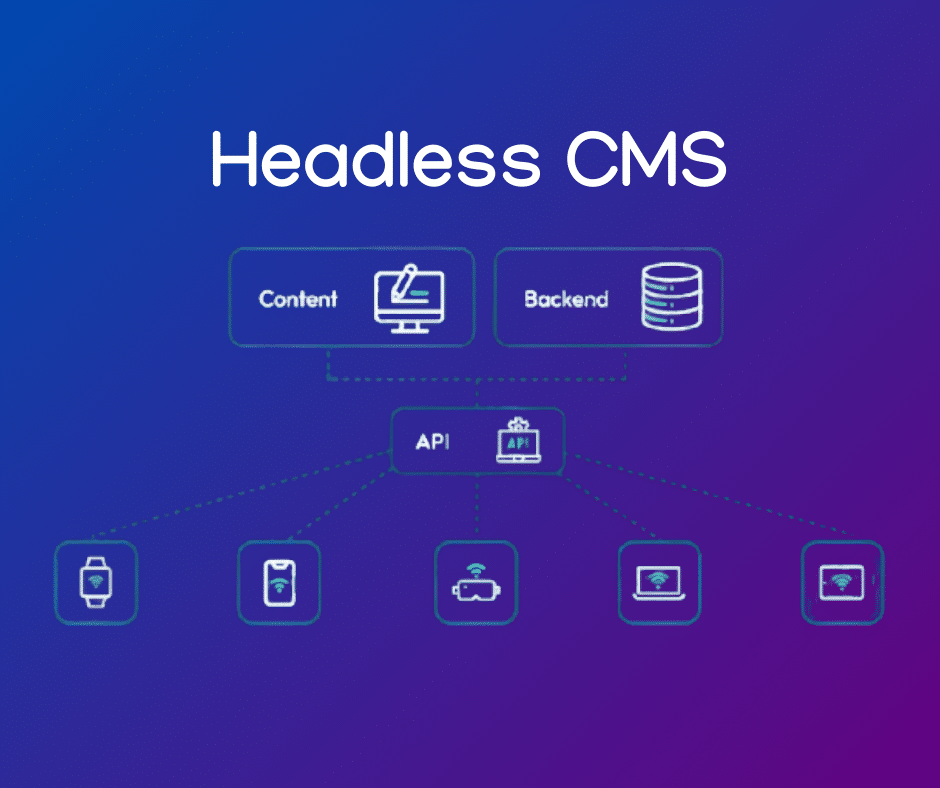
A headless CMS decouples the frontend (what users see) from the backend (where content is managed). Unlike traditional CMS platforms, where content and design are tightly linked, headless CMS lets you create content once and display it anywhere — websites, apps, smart devices, and beyond.
🛠️ How It Works
Backend (Content Repository): Content is stored and managed in one place.
API Layer: Content is delivered through RESTful APIs or GraphQL.
Frontend Freedom: Developers build the frontend with any technology — React, Vue, Angular, or even custom code.
Popular headless CMS platforms include:
Contentful
Strapi
Sanity
DatoCMS
2. Key Benefits of Headless CMS
🎯 Flexibility for Developers
Choose any frontend framework.
Custom-tailor the user experience.
🔥 Omnichannel Content Delivery
Publish content to websites, apps, smart devices, kiosks, and more — from a single source.
🚀 Performance Boost
Faster load times and optimized performance by separating content delivery from rendering.
🔒 Enhanced Security
With no frontend layer, potential attack surfaces are minimized.
💡 Future-Proofing
Easily adapt to emerging technologies without rebuilding your CMS.
3. Headless CMS vs Traditional CMS
Feature
Headless CMS
Traditional CMS
Frontend Control
Total freedom
Limited to platform themes
Content Delivery
Omnichannel
Website-only
Speed & Performance
Faster loading
Can be slower
Ease of Use
Developer-heavy
User-friendly
Customization
Fully customizable
Theme-based
4. Use Cases for Headless CMS
Wondering if headless CMS fits your needs? Here’s where it shines:
E-commerce: Deliver product info to websites, apps, and in-store displays simultaneously.
Media and Publishing: Push content to multiple platforms at once.
SaaS Platforms: Integrate dynamic content into apps without relying on traditional CMS structures.
IoT Devices: Serve content to smart devices like wearables, smart speakers, and more.
5. Challenges and Considerations
Headless CMS isn’t a one-size-fits-all solution. Here are a few things to keep in mind:
🛠️ Developer Dependence
You’ll need a development team to build the frontend.
💸 Pricing
Some headless CMS platforms have higher pricing tiers compared to traditional CMS.
🔧 Content Preview Limitations
Since the backend and frontend are separate, live content previews may require additional setup.
Final Thoughts
As we move into 2025, headless CMS platforms are positioning themselves as the future of content management. They offer unparalleled flexibility, performance, and scalability — ideal for businesses looking to stay agile and meet the demands of modern, multi-channel content delivery.
✨ Need help choosing or integrating a headless CMS? Ali DevSolutions is here to help you future-proof your content strategy.
AL
Ali
Web designer and developer at Ali Dev Solutions, building fast, accessible, conversion-focused websites for businesses worldwide.

Leave a Reply